



Potassium Channel
KcsA
Potassium channels are the most widely distributed type of ion channel and are found in virtually all living organisms. They form potassium-selective pores that span cell membranes. Potassium channels are found in most cell types and control a wide variety of cell functions. Potassium channels function to conduct potassium ions down their electrochemical gradient, doing so both rapidly and selectively. Biologically, these channels act to set or reset the resting potential in many cells. In excitable cells, such asneurons, the delayed counterflow of potassium ions shapes the action potential. By contributing to the regulation of the action potential duration in cardiac muscle, malfunction of potassium channels may cause life-threatening arrhythmias. Potassium channels may also be involved in maintaining vascular tone.
All Product Categories
-
Potassium Channel Inhibitors
(662)
View all products
-
Potassium Channel Agonists
(31)
View all products
-
Potassium Channel Antagonists
(38)
View all products
-
Potassium Channel Activators
(237)
View all products
-
Potassium Channel Modulators
(39)
View all products
-
Potassium Channel Chemical
(1)
View all products
-
Potassium Channel Controls
(11)
View all products
-
Potassium Channel Related Products (1109)
Related Products (1109)

-
Antibodies (6)
-
Related Compound Screening Libraries (1)
-
CHI3L1-IN-1
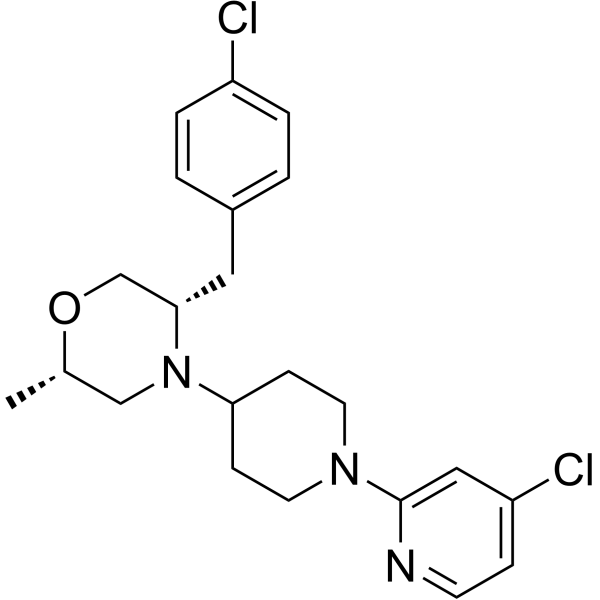 0 ImagesCHI3L1-IN-1 (Compound 30) is an inhibitor for Chitinase-3-like protein 1 (CHI3L1) (YKL-40) with IC50 of 50 nM. CHI3L1-IN-1 inhibits hERG channel with an IC50 of 2.3 μM.
-
L17E
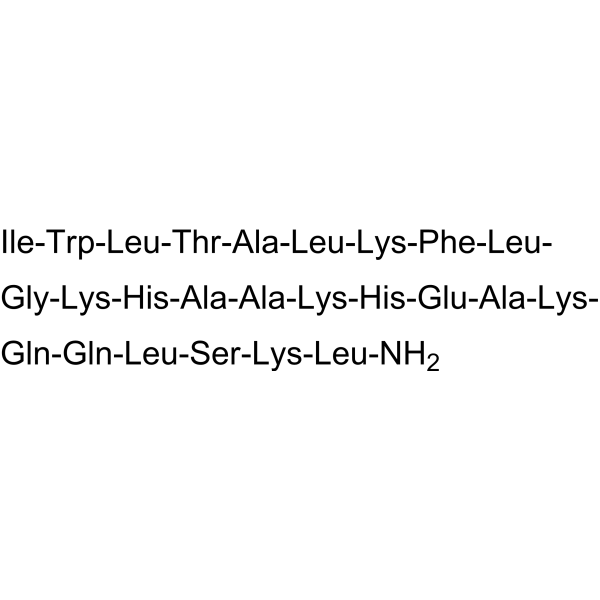 0 ImagesL17E is an attenuated cationic amphiphilic lytic (ACAL) peptide that can be used to deliver a variety of macromolecules, including proteins, antibodies, and DNA nanostructures. L17E inserts and cleaves the membrane structure through electrostatic interaction, enabling intracellular escape. The efficiency of L17E-mediated delivery is strongly correlated with the expression level of KCNN4 (the gene encoding the calcium-activated potassium channel KCa3.1). L17E also promotes the cellular uptake of macromolecules by inducing micropinocytosis. L17E can be further optimized and improved through dimerization strategies and in combination with other delivery systems, such as nuclear localization signal peptides and cell membrane-coated nanoparticles.
-
Gliclazide
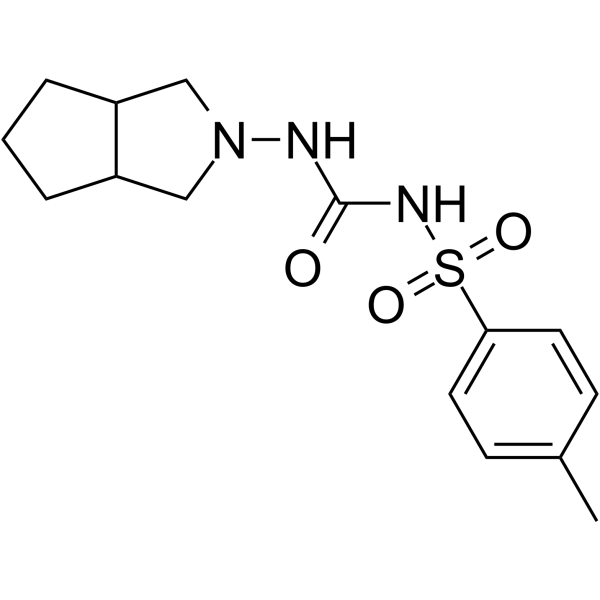 0 ImagesSynonyms: S1702; SE1702Gliclazide (S1702) is a whole-cell beta-cell ATP-sensitive potassium currents blocker with an IC50 of 184 nM. Gliclazide is used as an antidiabetic.
-
ML 297
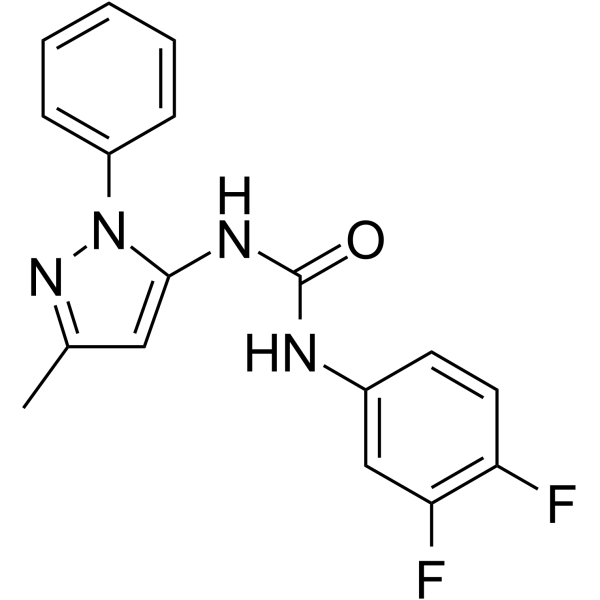 0 ImagesSynonyms: VU 0456810; CID 56642816ML 297 (VU 0456810) is a potent and selective GIRK1/2 activator, with an EC50 of 0.16 μM. ML 297 can cross the blood-brain barrier with brain-to-plasma ratio of 0.2 in mice model (i.p.). ML 297 is potential for the treatment of epilepsy.
-
Dalazatide TFA
 0 ImagesCat. No.: HY-P3507APurity: 99.85%Synonyms: ShK-186 TFADalazatide (ShK-186) TFA is a specific Kv1.3 potassium channel peptide inhibitor. Dalazatide TFA can be used in the study of autoimmune diseases such as multiple sclerosis (MS), lupus erythematosus, psoriasis, rheumatoid arthritis, type 1 diabetes and inflammatory bowel disease.
-
Nicorandil
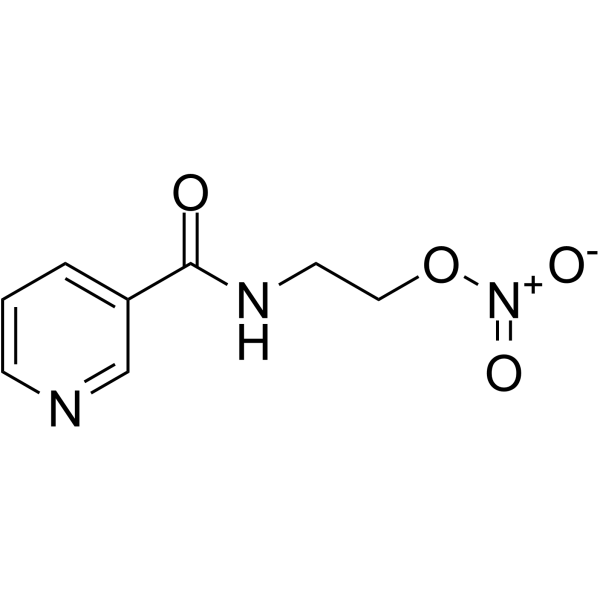 0 ImagesSynonyms: SG-75Nicorandil (SG-75) is a potent potassium channel activator and targets vascular nucleoside diphosphate-dependent K+ channels and cardiac ATP-sensitive K+ channels (KATP). Nicorandil is a nicotinamide ester with vasodilatory and cardioprotective effects and has the potential for angina and forischemic heart diseases.
-
Disopyramide
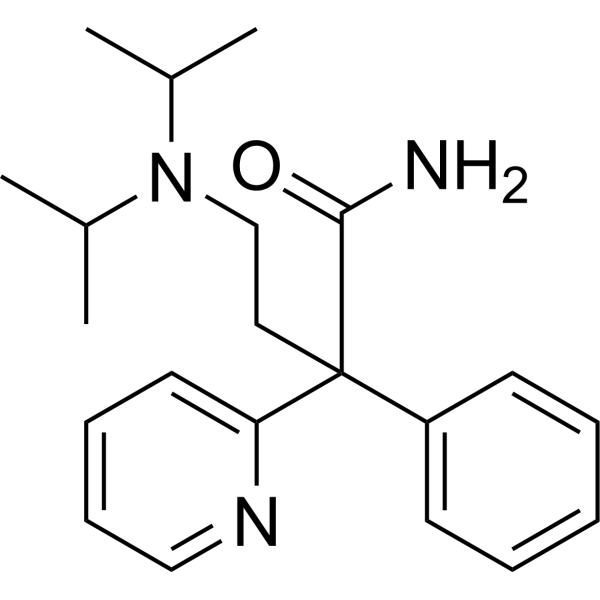 0 ImagesDisopyramide (Dicorantil) is a class IA antiarrhythmic agent with efficacy in ventricular and atrial arrhythmias. Disopyramide blocks the fast inward sodium current of cardiac muscle and prolongs the duration of cardiac action potentials. Disopyramide inhibits HERG encoded potassium channels. Disopyramide also exhibits complex protein binding, and has a potent negative inotropic action.
-
Gliquidone
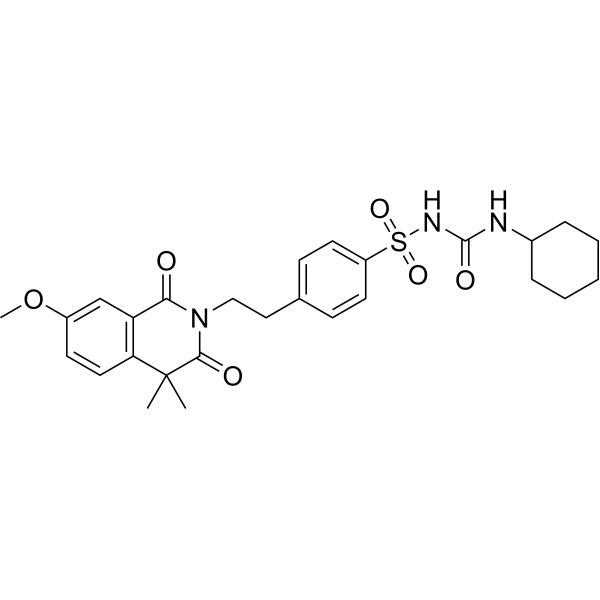 0 ImagesSynonyms: AR-DF 26Gliquidone can bind to the pancreatic β-cells and increases insulin release to regulate blood glucose levels. Gliquidone significantly decreases LPS (HY-D1056)-induced proinflammatory responses and inhibits ERK/STAT3/NF-κB phosphorylation in BV2 microglial cells. Gliquidone can suppress microgliosis, microglial hypertrophy mediated by LPS, and proinflammatory cytokine COX-2 and IL-6 levels in murine model. Gliquidone also exhibits good anticancer activity in lung carcinoma cells. Gliquidone has antioxidant property. Gliquidone can be studied in research for type 2 diabetes and cancers.
-
CVN293
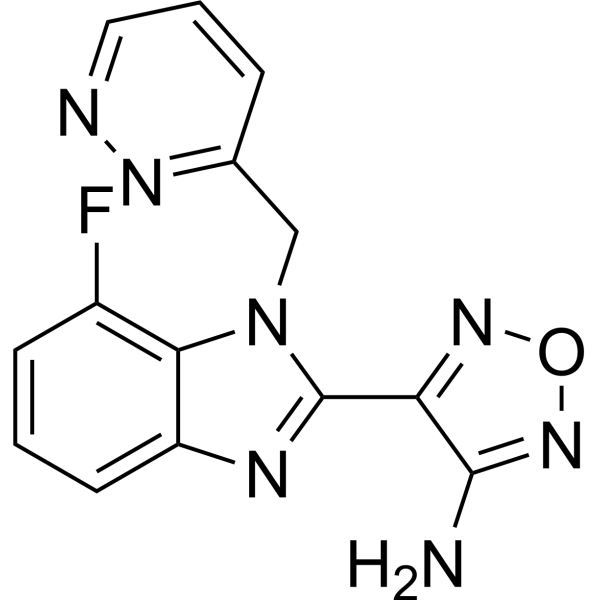 0 ImagesCVN293 is a selective and brain permeable potassium ion (K+) channel KCNK13 inhibtor with IC50s of 41 nM and 28 nM for hKCNK13 and mKCNK13, respectively. CVN293 potently inhibits the NLRP3-inflammasome mediated production of the proinflammatory cytokine IL-1β in microglia.
-
Flupirtine
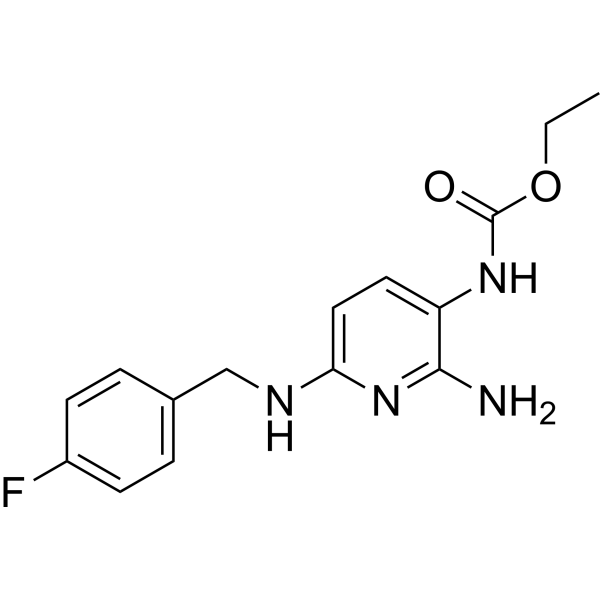 0 ImagesSynonyms: D 9998Flupirtine (D 9998) is an orally active, blood-brain barrier-crossing non-opioid analgesic and neuroprotective agent. Flupirtine is a neuronal potassium channel opener (Kv7 activator), a NMDA receptor antagonist and a GABA receptor activator. Flupirtine stabilizes blood-brain-barrier integrity, reduces oxidative stress and brain leukocyte infiltration, enhances angioneurogenesis, suppresses calcium influx, stabilizes neuronal resting membrane potential, and counteracts focal cerebral ischemia. Flupirtine exhibits analgesic, muscle relaxant properties, protects neurons from excitotoxic, ischemic, or cytokine-mediated death. Flupirtine functions as a non-opioid analgesic without antipyretic or antiphlogistic properties, shows no relevant affinity to opiate receptor. Flupirtine can be used for the research of focal cerebral ischemia, pain, Alzheimer’s disease, or multiple sclerosis.
-
Hypaconitine
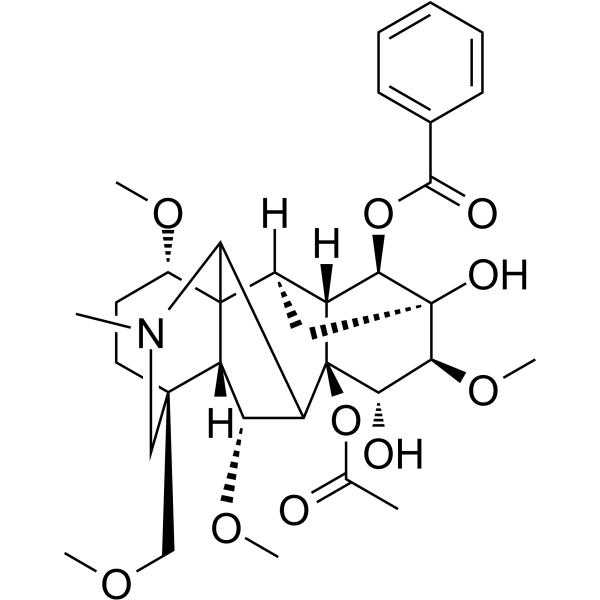 0 ImagesHypaconitine inhibits the KCNH2 current with an IC50 of 8.1 nM, and exhibits cardiotoxicity. Hypaconitine inhibits TGF-β1-induced epithelial-mesenchymal transition (EMT) in A549 cell through the inhibition of NF-κB nuclear translocation. Hypaconitine acts as the neuromuscular blocker. Hypaconitine is orally active.
-
Dalazatide
 0 ImagesSynonyms: ShK-186Dalazatide (ShK-186) is a specific Kv1.3 potassium channel peptide inhibitor. Dalazatide can be used in the study of autoimmune diseases such as multiple sclerosis (MS), lupus erythematosus, psoriasis, rheumatoid arthritis, type 1 diabetes and inflammatory bowel disease.
-
Linopirdine
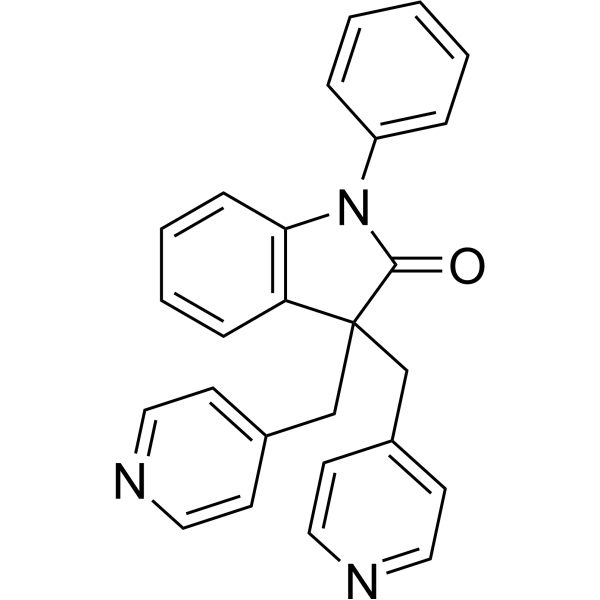 0 ImagesSynonyms: DuP 996Linopirdine (DuP 996) is an orally active, selective M-type K+ current (IM; Kv7; KCNQ Channels) inhibitor with an IC50 of 2.4 μM. Linopirdine is a TRPV1 agonist. Linopirdine, a putative cognition enhancing agent, increases acetylcholine release in rat brain tissue.
-
Rimtuzalcap
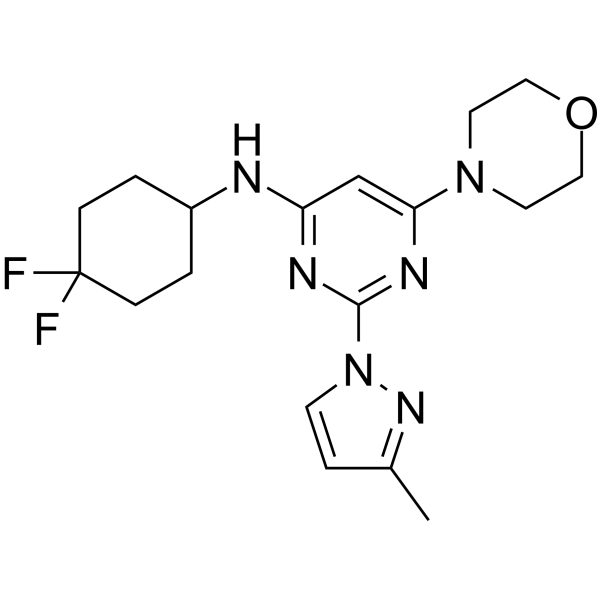 0 ImagesSynonyms: CAD-1883Rimtuzalcap (CAD-1883) is a first-in-class selective positive allosteric modulator of small-conductance calcium-activated potassium channels (SK channels). Rimtuzalcap can be used for the research of movement disorders including essential tremor (ET) and spinocerebellar ataxia (SCA).
-
(±)-Naringenin
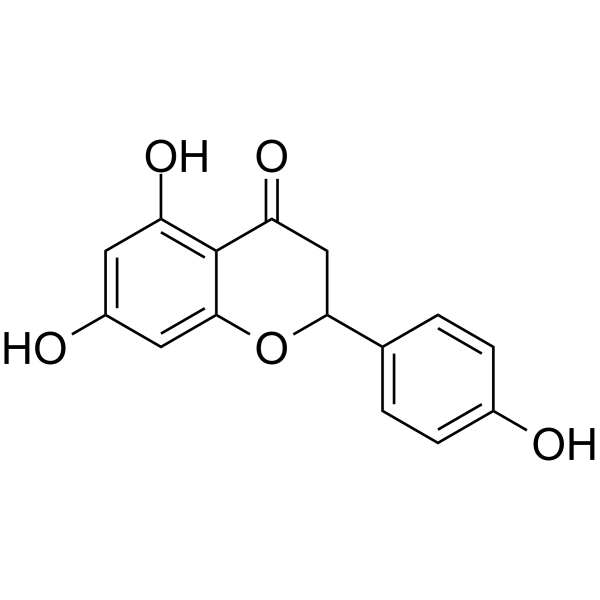 0 Images(±)-Naringenin is an orally available anti-inflammatory agent that can regulate both acute and chronic inflammation responses, while also showing antioxidant, neuroprotective, liver-protective, and anti-cancer effects. (±)-Naringenin promotes vasodilation in endothelial cells by activating BKCa channels in muscle cells. It also exerts protective effects against experimental colitis by inhibiting Toll-like receptor 4/NF-κB signaling, making it useful in studies related to sepsis, fulminant hepatitis, fibrosis, and cancer research.
-
Talatisamine
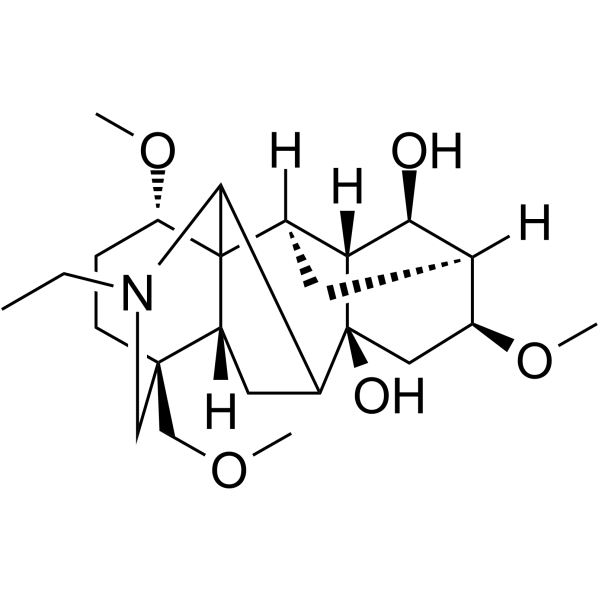 0 ImagesTalatisamine is an orally active cyclophilin D activator isolated from the roots of Aconitum carmichaeli Debx. Talatisamine exerts biological functions by activating cyclophilin D, inhibiting Ca2+-dependent opening of the mitochondrial permeability transition pore (mPTP) (IC50=78 μM), and blocking delayed rectifier K+ channels (IC50=146 μM). Talatisamine possesses both antioxidant and membrane-stabilizing properties, effectively inhibits lipid peroxidation and protects mitochondrial membrane function. Talatisamine exhibits multiple activities including antiarrhythmic, hypotensive, anti-inflammatory, anticancer and neuroprotective effects. Talatisamine finds applications in the research of ischemic diseases, rheumatoid arthritis, inflammation-related diseases and Alzheimer's disease.
-
ADL-5859 hydrochloride
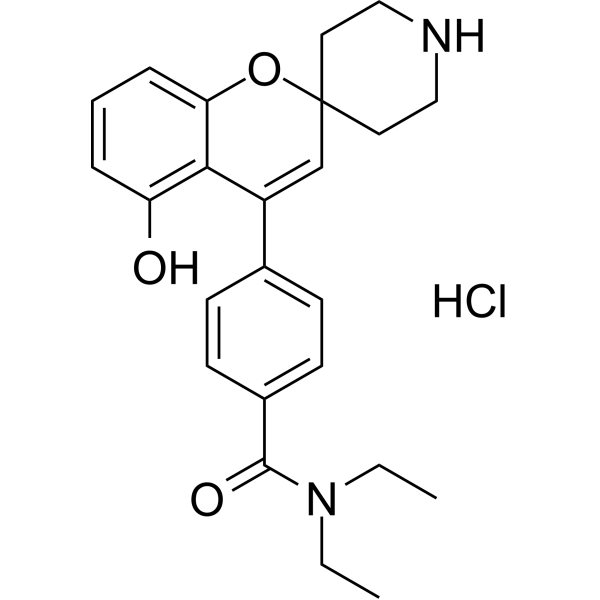 0 ImagesADL-5859 hydrochloride (compound 20) is a selective and orally active δ opioid receptor (DOR) agonist with an Ki and an EC50 value of 0.84 and 20 nM, respectively. ADL-5859 hydrochloride also shows inhibitory activity to hERG channel with an IC50 value of 78 μM. ADL-5859 hydrochloride can be used for the research of pain.
-
Dihydroberberine
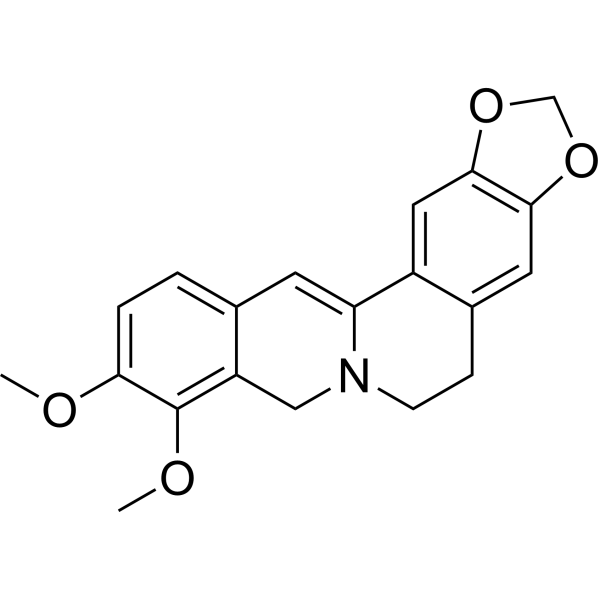 0 ImagesDihydroberberine is a naturally occurring isoquinoline alkaloid with anti-inflammatory, anti-atherosclerotic, hypolipidemic and anti-tumor activities. Dihydroberberine inhibits the human ether-related gene (hERG) channel and significantly reduces the expression of heat shock protein 90 (Hsp90) and its interaction with hERG. Dihydroberberine also blocks the TLR4/MyD88/NF-κB signaling pathway to reduce pro-inflammatory cytokines and immunoglobulins, and has inhibitory effects on DSS (HY-116282C)-induced experimental colitis. Dihydroberberine also increases the sensitivity of lung cancer to sunitinib (HY-10255A), with synergistic efficacy.
-
Norfluoxetine hydrochloride
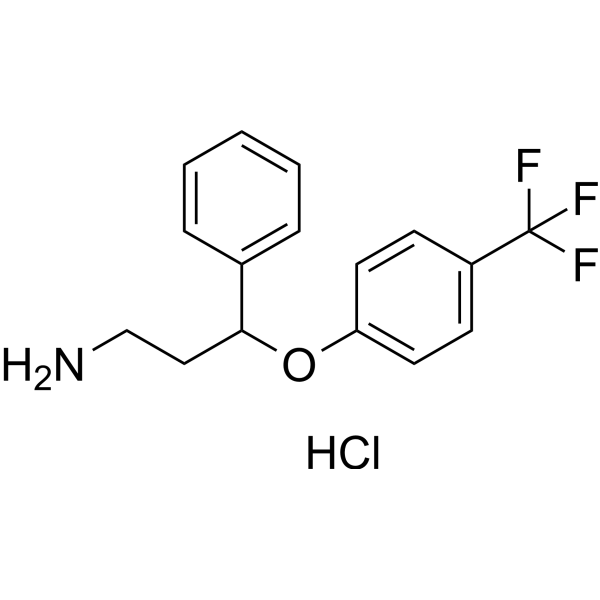 0 ImagesNorfluoxetine hydrochloride is the active metabolite of the antidepressant Fluoxetine (HY-B0102); it is also a TREK-2 K2P potassium channel inhibitor. Norfluoxetine hydrochloride exhibits neuroimmunological activity, induces apoptosis in primary microglial cells, and inhibits the release of pro-inflammatory factors. Norfluoxetine hydrochloride inhibits high-threshold voltage-gated Ca2+ currents in neurons with an EC50 of 20.4 μM. Norfluoxetine hydrochloride can be used in research related to depression, ischemic stroke, and epilepsy.




